A line is a rowQTYONE UK LTD · 3 Wren Street, Preston
This company is registered to do two things that look alike on a shelf and are nothing alike on paper: sell cosmetic and toilet articles in specialised stores under SIC 47750, and trade goods wholesale without specialising in any one of them under SIC 46900. The first sells a unit. The second moves an outer.
So this site is a specification sheet rather than a brochure. A line that cannot be written as a row has not been specified yet.
Unit formats, and the words a format field uses

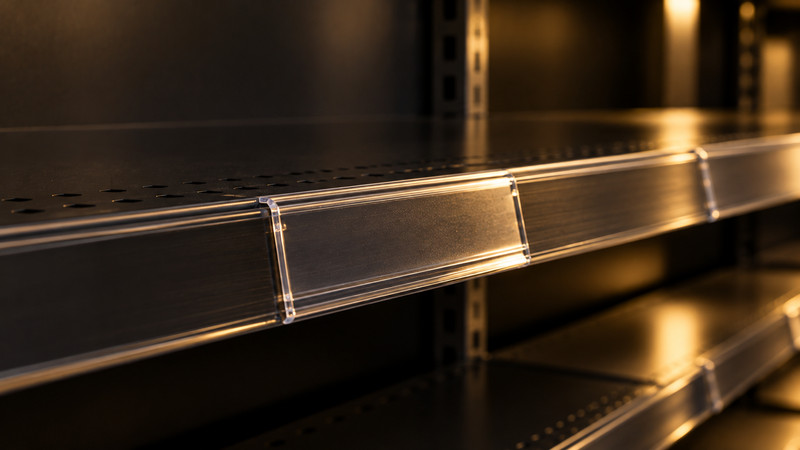
Plate 01 — editorial photograph. Unbranded empty containers, not goods held or offered by this company.
Unit format does not name a product. It names a vessel, the quantity it is filled to and the closure it is sold under, in that order: bottle on its own is not an entry, 250 ml bottle, flip-top is.
Seven forms cover the whole of the sheet below. A bottle stands upright under a screw cap or a flip-top. A pump bottle counts separately: its dip tube changes how the unit packs. A tube is crimped at the tail and stands on its cap. A jar is wider than it is tall, a carton is folded and glued, a can is pressurised, a stick winds up through its own barrel. Change the form and the inner changes with it.
Lines and the fields they are specified in
| Ref | Line | Unit format | Units / inner | Units / outer | Storage stated as | Channel |
|---|---|---|---|---|---|---|
| 01 | Shower gel | 250 ml bottle | 6 | 36 | 5–25 °C, dry, upright | Both |
| 02 | Shampoo | 400 ml bottle | 6 | 24 | 5–25 °C, dry, upright | Both |
| 03 | Bar soap | 100 g carton | 12 | 72 | 5–25 °C, dry, off the floor | Retail |
| 04 | Toothpaste | 75 ml tube | 12 | 72 | 5–25 °C, dry | Both |
| 05 | Roll-on deodorant | 50 ml bottle | 12 | 96 | 5–25 °C, upright | Both |
| 06 | Aerosol deodorant | 150 ml can | 6 | 48 | 5–30 °C, flammables bay | Wholesale |
| 07 | Hand wash | 500 ml pump bottle | 6 | 24 | 5–25 °C, upright | Both |
| 08 | Body lotion | 200 ml bottle | 6 | 48 | 10–25 °C, no freeze | Retail |
| 09 | Lip balm | 4.8 g stick | 24 | 144 | 5–22 °C, out of direct sun | Retail |
| 10 | Nail lacquer | 11 ml bottle | 12 | 72 | 5–25 °C, flammables bay | Retail |
| Format vocabulary, not a stock list and not an offer. No column carries a price. | ||||||
Read the columns in order and the row becomes a working instruction.
Sort by units per outer and the sheet reorders around the case rather than the name, which is the order a goods-in bay reads in.
Conditions carried on the same row
The storage column is not a recommendation. It is the condition a line is accepted under, written into the same row as the pack size. Five conditions carry all of it.
C1 ambient range is a pair of temperatures with the unit on both; a range left open at one end is half a condition. C2 dry is stated for the outer rather than the unit: corrugate loses its stiffness long before anything inside it does, and a case that has stood damp is down-stacked whatever state its units are in. C3 upright applies where a closure seals against a liner instead of a thread, and it holds for the whole chain or not at all: a pallet built upright and then laid flat for a van is not an upright pallet.
C4 out of direct sun names a position rather than a measurement, and it is lost at the shelf rather than in the stockroom. C5 flammables bay is a location too: the row names the bay, and the bay is set out before the case arrives.
Four levels, and which one a quantity names
A quantity written without its level is not yet a quantity. These are the four a line can be counted in.
-
Level one
Unit
What a shelf sells, and what a date code is printed on. Every other level counts these.
-
Level two
Inner
The smallest bundle a stockroom breaks open, carrying its units-per-inner figure on its own side.
-
Level three
Outer
What goods-in signs for: the only level carrying a case code.
-
Level four
Pallet
A build rather than a pack, so the figure changes between two consignments of one line.
One row, read from three sides
Shelf side: where each stage happens
- AGoods-in bayCase opened, count checked against the note.
- BStockroom rackHeld by line and by batch, never mixed.
- CGondola bayFacings filled from the front of the rack.
- DDate-check roundWalked to a timetable, not by eye.
Rotation is first expiry, first out: the deciding field is the date on the pack, not the date the case arrived.
Order side: what a lead time is made of
Enquiry, specification, order, pallet, collection: only the last of those four gaps is movement, the rest paperwork. A missing residual-life figure stalls the second.
Pack side: which level each channel orders in
Retail orders in outers and sells in units. Wholesale orders in pallets and ships in outers. The inner is the level neither channel orders in and both count, which is why it goes missing from a specification.
The figure that does not say what it counts
Sixty of row 01 is sixty bottles, or three hundred and sixty, or two thousand one hundred and sixty — and the number alone does not say which.
Every argument over a short delivery starts there. The converter below is the arithmetic a goods-in bay does out loud, written down so both sides of an order do it the same way — and it prints the division, not only the answer.
Date codes and residual life
Two batches of one line stop being interchangeable the moment a residual-life figure is agreed, so they are picked against the order, not the nearest pallet.
Four date fields, and only one of them is a date.
D1 batch code is printed on the unit and repeated on the outer: it identifies a run, not a day. D2 minimum durability is a day and a month on the unit, stated where the declared life runs to thirty months or less. D3 period after opening takes its place where the declared life is longer; it starts at first use, so it cannot be read in a stockroom at all.
D4 residual life required is not on the goods at all. It sits in the order paperwork, it is the buyer's figure rather than the maker's, and it is the one most often left off an enquiry.